
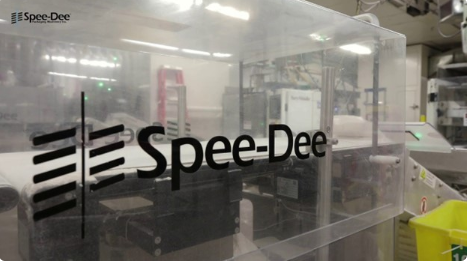

Production floors judge performance by results, not explanations. Weighing solutions translate moving materials into numbers people trust enough to ship products. Load cells react to vibration, air drafts, and frame tension constantly. Those factors never disappear completely. Operators learn where readings drift slightly and work around them. Accuracy becomes something managed daily instead of something assumed once and forgotten forever.
Filling speed quietly reshapes accuracy
Speed looks impressive until consistency starts slipping. Filling solutions push material into containers quickly, but speed amplifies small errors. Faster drops cause splash, bounce, and settling delays. Scales read weight differently depending on timing. Slowing down improves accuracy, yet reduces output. Teams balance this tradeoff by testing settings repeatedly, usually during calm shifts when pressure feels lower.
Product texture changes the rules hourly
Granules behave politely most days. Powders rarely do. Weighing solutions respond differently to fluffy versus compact material. Air pockets confuse readings. Sticky materials cling where they should not. Filling solutions must adapt using gates, vibrators, or staged filling. No setting works forever. Material storage conditions earlier in the day often decide how machines behave later.
Integration causes more issues than expected
Machines rarely work alone anymore. Weighing solutions talk to fillers, conveyors, and reject systems. Communication delays create mismatches. A scale may finish weighing before a container settles properly. Filling solutions then compensate incorrectly. These issues feel small individually, yet they stack up. Engineers spend time aligning timing signals instead of replacing hardware that still functions well.
Calibration is routine, not a milestone
Calibration days sound official but feel ordinary. Weighing solutions drift slowly due to temperature changes and mechanical stress. Regular checks keep numbers believable. Skipping calibration saves time briefly, but costs time later. Filling solutions depend on those numbers to stop or continue the flow. When calibration slips, waste quietly increases without dramatic warning signs.
Operators influence more than manuals admit
Two people run identical systems differently. Weighing solutions reward patience and consistent habits. Rushing causes overshoot. Hesitation causes underfill. Filling solutions react instantly to operator input, sometimes too quickly. Experience teaches when not to touch settings. That skill develops through repetition, mistakes, and quiet observation rather than formal training sessions.
Choosing systems without chasing perfection
Selection decisions benefit from realism. Weighing solutions suit applications needing traceable data and tighter control. Filling solutions handle volume efficiently when the variation stays acceptable. Budget, maintenance access, and cleaning time matter more than advertised precision. Testing with actual products reveals limitations early. Paper specifications rarely reflect how systems behave during long production weeks.
Conclusion
Weighing solutions and filling solutions operate best when expectations stay grounded. These systems respond to materials, environments, and human habits every shift. Understanding how speed, texture, and integration affect performance helps teams reduce waste and frustration. Instead of searching for flawless accuracy, focus on repeatable results and manageable variation. If your operation is reviewing equipment or optimizing existing processes, consult a qualified packaging or process automation professional. A practical assessment of your materials, layout, and production goals leads to smarter decisions and steadier long-term performance.