

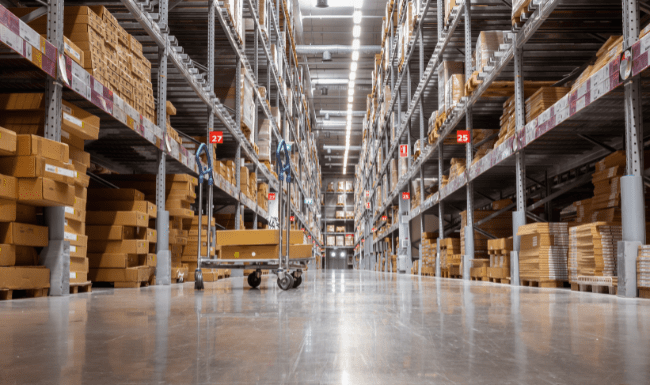
Introduction
Efficient warehouse management is essential for business growth. As order volumes increase and supply chains become more complex, outdated warehouse systems can create operational challenges. They can lead to inventory errors, delayed deliveries, higher costs, and dissatisfied customers.
A modern Warehouse Management System (WMS) helps businesses manage inventory, streamline daily operations, and improve order fulfillment. However, many businesses still use systems that no longer meet their needs. Here are ten signs that your business may need a new Warehouse Management System.
Things to Consider in a WMS
1. Frequent Inventory Discrepancies
If your recorded stock levels don’t match your actual inventory, your current system may be ineffective. Frequent discrepancies can result in overselling, stock shortages, and unnecessary purchases. A modern WMS provides real-time inventory updates and improves stock accuracy.
2. Increasing Order Processing Errors
Incorrect picking, packing, and shipping can affect customer satisfaction. If employees frequently make mistakes when processing orders, your warehouse processes may need improvement. A new WMS can automate order work-flows and guide employees through accurate picking and packing procedures.
3. Limited Inventory Visibility
Businesses managing multiple warehouses need clear stock visibility across all locations. If your current system cannot provide accurate, real-time inventory information, making purchasing and fulfillment decisions becomes difficult. A modern WMS offers centralized inventory tracking.
4. Too Much Manual Data Entry
Manual processes consume valuable employee time. Entering stock information, updating orders, and preparing shipping documents manually also increases the risk of human errors. An advanced WMS automates repetitive tasks and reduces administrative workloads.
5. Difficulty Managing Growing Order Volumes
A warehouse system that worked well for a small business may struggle as operations expand. Increasing orders can create processing delays and operational bottlenecks. A scalable WMS helps businesses handle higher order volumes without significantly increasing manual workloads.
6. Poor Integration with Other Business Systems
Your warehouse software should work smoothly with e-commerce platforms, ERP systems, accounting tools, and shipping providers. If employees must transfer information between different applications manually, your existing system may lack essential integration capabilities.
7. Delayed Order Fulfillment
Customers expect accurate orders and timely deliveries. If warehouse employees struggle to locate products or process orders quickly, fulfillment times can increase. A modern WMS improves picking routes, stock locations, and order work-flows.
8. Rising Warehouse Operating Costs
Increasing labour expenses, storage costs, and inventory losses can reduce profitability. Outdated software may contribute to these expenses through inefficient processes. Replacing it with a modern WMS can help optimize warehouse resources and reduce operational waste.
9. Lack of Useful Warehouse Reports
Business owners need accurate information to evaluate warehouse performance. If your current system cannot provide useful reports on inventory turnover, picking accuracy, order processing, and stock movements, it may limit informed decision-making.
10. Difficulty Adapting to Business Growth
Expanding into new markets, adding sales channels, or managing additional warehouse locations requires flexible technology. If your existing system cannot support these changes, upgrading to a scalable WMS becomes important.
Conclusion
An outdated Warehouse Management System can restrict business growth and create unnecessary operational challenges. Recognizing these warning signs helps businesses identify when an upgrade is necessary.
Investing in modern WMS software can improve inventory accuracy, automate warehouse processes, streamline order fulfillment, and provide better operational visibility. Choosing a scalable solution that supports your current requirements and future growth can help build a more efficient and productive warehouse.