
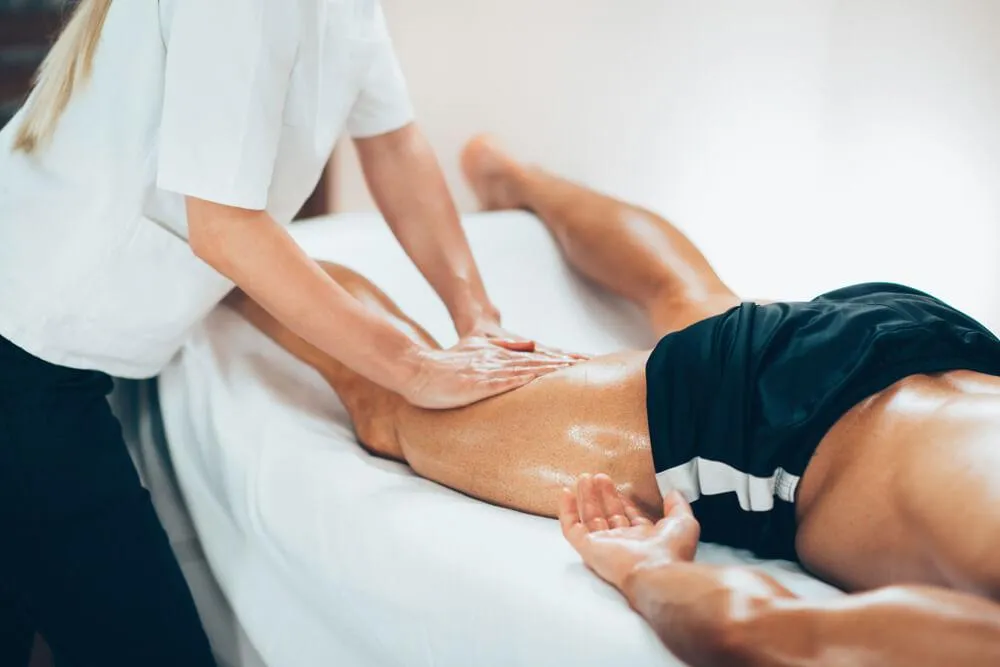

Every athlete knows the feeling. One hard workout can leave muscles tight, sore, and exhausted for days. That is exactly why many professionals now rely on massage therapy for muscle pain to recover faster and perform better.
From runners to weightlifters, massage has become part of modern athletic recovery. It helps reduce stiffness, improve flexibility, and support the body after intense physical stress. More importantly, it allows athletes to return to training without long recovery delays.
Why Do Athletes Recover Faster With Massage?
Athletes constantly push their muscles beyond normal limits. Tiny tears happen inside muscle fibers during workouts, competitions, and heavy training sessions. The body naturally repairs those tears, but recovery can feel slow without proper support.
Massage helps the recovery process by increasing circulation and relaxing tight muscles. Better blood flow means muscles receive more oxygen and nutrients needed for healing.
Athletes often notice benefits like:
- Reduced soreness after training
- Better flexibility
- Improved movement
- Less muscle tightness
- Faster recovery between workouts
Massage also lowers physical stress on the body. When muscles stay tense too long, recovery becomes harder and performance drops.
How Does Muscle Healing Actually Work?
Muscle recovery is not just about resting. The body repairs damaged tissues in stages. First comes inflammation, then rebuilding, and finally strengthening.
This process can slow down because of:
- Poor circulation
- Muscle tension
- Stress
- Overtraining
- Lack of flexibility
That is where treatments like deep tissue massage become useful for athletes who train intensely. It targets deeper muscle layers and helps release stubborn tension that regular stretching cannot always fix.
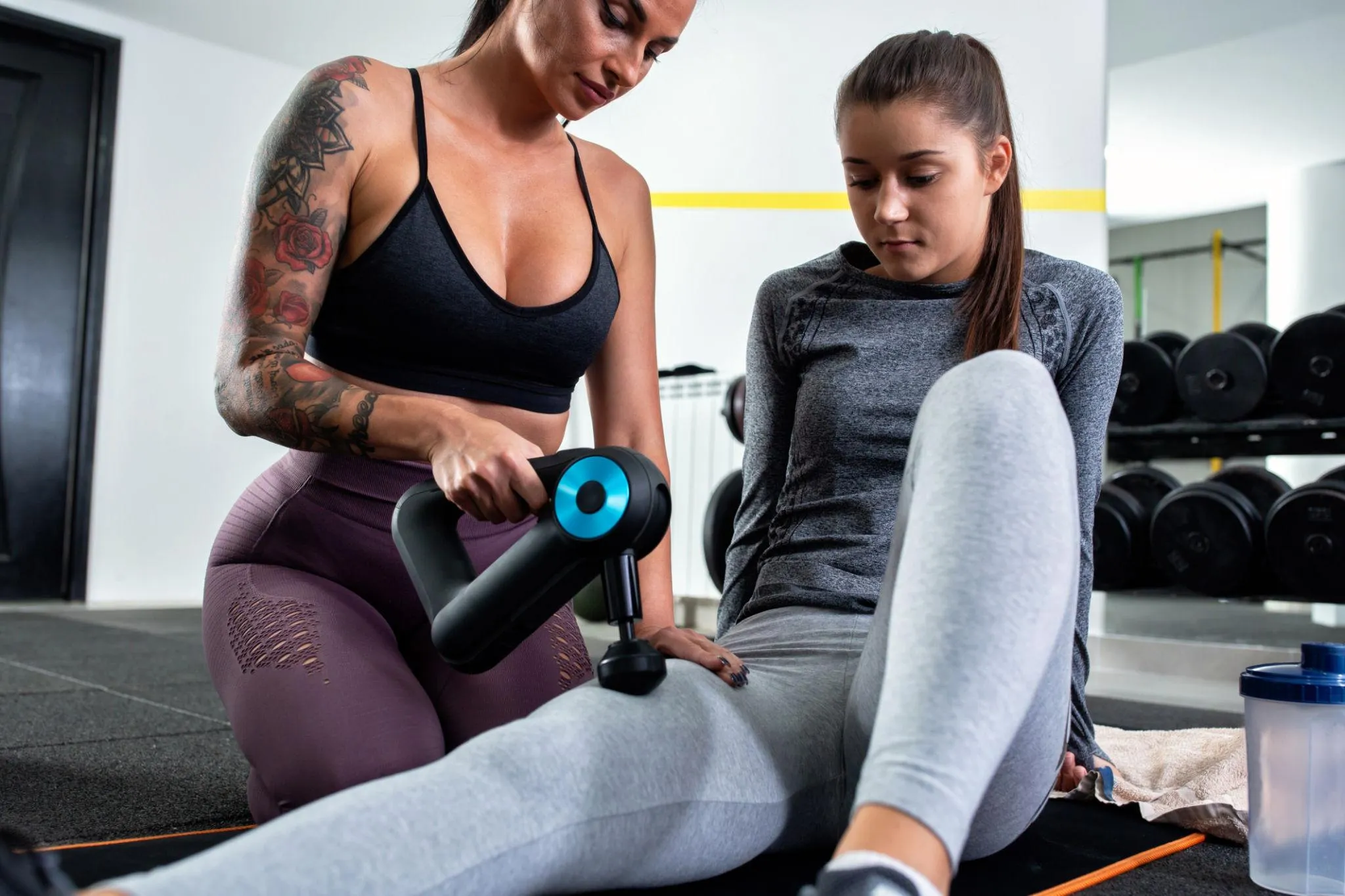
When tight areas loosen, the body can move more naturally again. This often helps athletes feel lighter and more mobile after recovery sessions.
Why Is Recovery Just as Important as Training?
Many athletes focus heavily on workouts but ignore recovery. That approach usually leads to fatigue, injuries, and slower progress.
The truth is simple: muscles grow stronger during recovery, not during exercise.
Without proper recovery, athletes may experience:
Athletes who prioritize recovery often stay consistent longer. Their bodies handle training loads more efficiently because muscles recover properly between sessions.
Can Massage Improve Athletic Performance?
Yes, and many athletes already believe it does.
Massage supports athletic performance by helping muscles stay flexible and responsive. Tight muscles limit movement, while relaxed muscles move more efficiently.
Benefits athletes often report include:
- Better range of motion
- Improved posture
- Easier movement
- Reduced stiffness
- Better body awareness
Massage can also mentally reset athletes. Physical tension and mental stress usually go together. Recovery sessions often help athletes feel calmer and more focused before competitions.
Why Do Professional Sports Teams Include Massage Therapists?
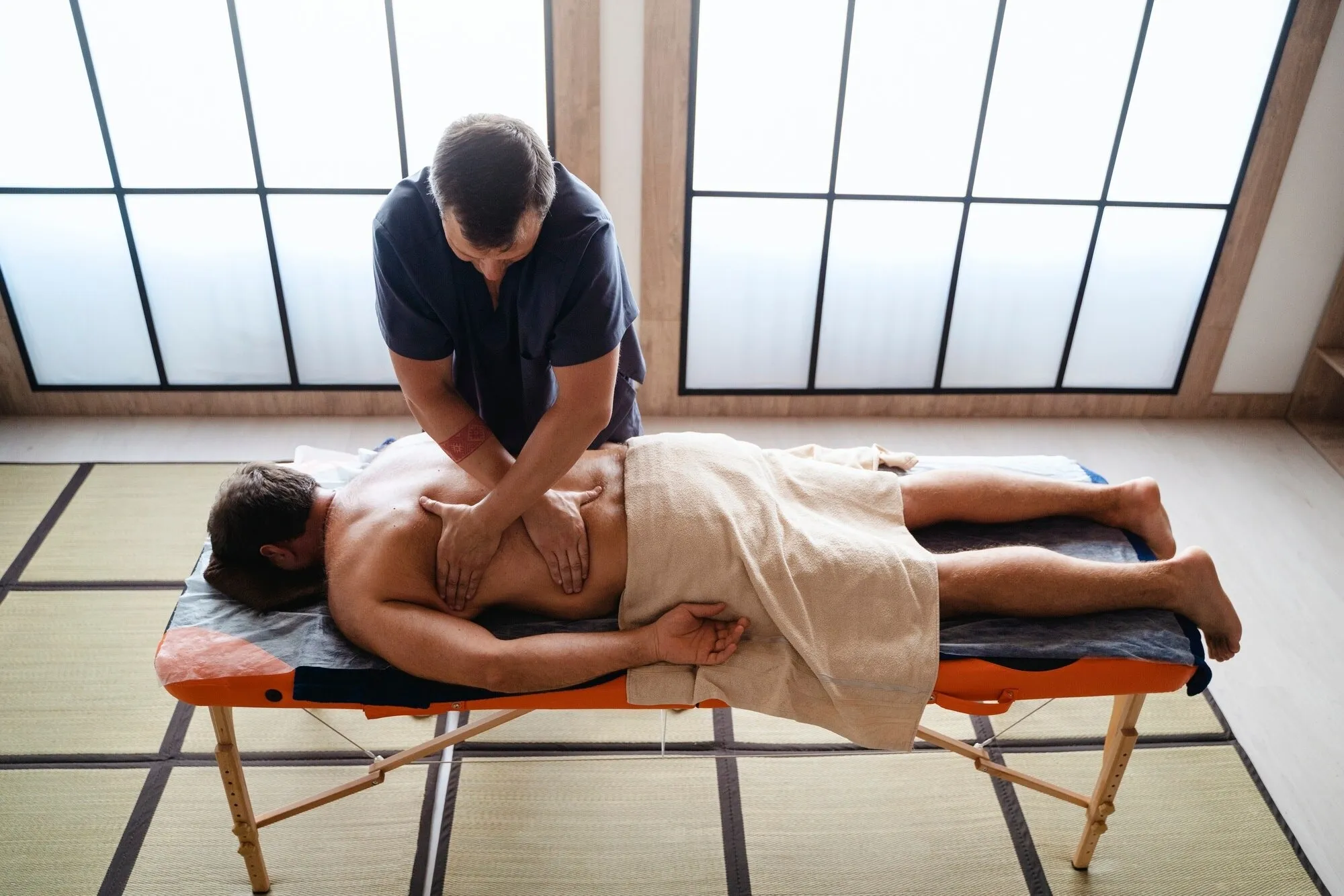
Professional sports organizations now include recovery specialists as part of their regular training staff. Massage therapists work alongside trainers, coaches, and medical teams.
Why?
Because recovery affects performance directly.
Athletes who recover faster can:
- Train more consistently
- Avoid unnecessary injuries
- Maintain flexibility
- Improve endurance
- Reduce downtime after competitions
Recovery science continues evolving every year. Many experts now predict that personalized recovery programs will become even more advanced in the future.
Technology may improve training, but hands-on recovery methods will likely remain important because muscles still need physical care and circulation support.
How Does Stress Affect Muscle Recovery?
Stress is one of the biggest hidden reasons athletes struggle with recovery.
When stress levels rise, muscles naturally tighten. The body stays in a more defensive state, making relaxation difficult.
This can lead to:
- Poor sleep
- Tight shoulders and back
- Muscle fatigue
- Slower recovery
- Mental exhaustion
Massage encourages the nervous system to relax. Many athletes say they feel physically and mentally refreshed after sessions because their bodies finally release built-up tension.
That balance becomes especially important during long seasons or demanding training periods.
Why Are Athletes Combining Different Recovery Techniques?
Modern recovery is no longer limited to ice baths and stretching. Athletes now combine several methods for better results.
Some common recovery approaches include:
- Massage therapy
- Mobility exercises
- Hydration
- Sleep optimization
- Foam rolling
- Stretching sessions
Some athletes also explore Thai massage therapy because it combines assisted stretching with pressure techniques that improve flexibility and body movement.
This combination-based recovery approach is expected to grow in the coming years as athletes search for more personalized wellness routines.
What Happens When Muscle Tightness Is Ignored?
Ignoring muscle tension rarely ends well.
At first, tight muscles may only feel uncomfortable. Over time, however, restricted movement can affect posture, flexibility, and training quality.
Untreated tension may contribute to:
- Muscle strains
- Joint pressure
- Limited mobility
- Balance issues
- Chronic discomfort
Athletes who consistently care for their muscles usually maintain better long-term performance. Recovery is not only about feeling good today. It is about protecting the body for future performance, too.
Why Are Recovery Routines Becoming More Personalized?
No two athletes recover the same way. A marathon runner has different recovery needs than a football player or swimmer.
That is why recovery plans are becoming more customized.
Experts now look at factors like:
- Training intensity
- Sleep quality
- Flexibility
- Injury history
- Stress levels
- Muscle imbalances
Some rehabilitation specialists even integrate physical therapy and deep tissue massage into structured recovery plans to support mobility and muscle function after demanding activity.
The future of athletic recovery will likely focus even more on individualized care instead of one-size-fits-all routines.
Can Massage Help Prevent Future Injuries?
Many athletes believe massage helps reduce injury risk because healthier muscles move more efficiently.
When muscles stay flexible and balanced:
- Movement patterns improve
- Joint strain decreases
- Posture stays aligned
- Flexibility increases
- Muscle compensation reduces
Prevention matters because injuries can interrupt months of training progress.
Athletes now increasingly view recovery not as a luxury, but as part of performance maintenance.
What Makes Athletic Recovery Different Today?
Sports recovery has changed dramatically over the last decade.
Years ago, many athletes ignored soreness and trained through pain. Today, recovery science is becoming more respected at every level.
Modern athletes now understand:
- Recovery improves performance
- Rest supports muscle growth
- Stress affects physical healing
- Flexibility matters for movement
- Long-term health matters too
This shift is creating healthier training cultures across professional and amateur sports alike.
Experts predict recovery-focused training programs will continue expanding as more athletes recognize the connection between healing and performance.
Why Should Recovery Become Part of Every Athlete’s Routine?
Athletes train hard to improve performance, but recovery determines how long the body can keep performing at its best. Ignoring muscle care often leads to fatigue, tightness, and unnecessary setbacks.
That is why many athletes now include massage therapy for muscle pain as part of their long-term recovery strategy. It helps the body recover, supports flexibility, and allows athletes to stay physically prepared for future challenges.
As sports science continues to advance, recovery will likely become even more personalized, proactive, and essential for every athlete striving for consistent performance.
Key Takeaways:
- Massage supports faster muscle recovery after intense physical activity.
- Improved circulation helps muscles heal more efficiently.
- Recovery is equally important as training for athletic performance.
- Stress reduction plays a major role in muscle healing.
- Personalized recovery routines are becoming increasingly popular among athletes.
- Flexible muscles often reduce injury risk and improve movement quality.
- Recovery-focused training trends will likely continue growing in future sports performance programs.
Frequently Asked Questions:
Q1. How often should athletes get massage therapy?
It depends on training intensity. Many athletes schedule sessions weekly or biweekly during active seasons.
Q2. Does massage only help professional athletes?
No. Recreational athletes and active individuals can also benefit from regular muscle recovery support.
Q3. Can massage reduce post-workout soreness?
Many athletes report reduced soreness and improved movement after recovery-focused massage sessions.
Q4. Is massage useful before competitions?
Yes. Light recovery sessions may help muscles feel looser and more prepared for movement.
Q5. Why is flexibility important for athletes?
Good flexibility supports smoother movement, reduces tension, and may help lower injury risks.