

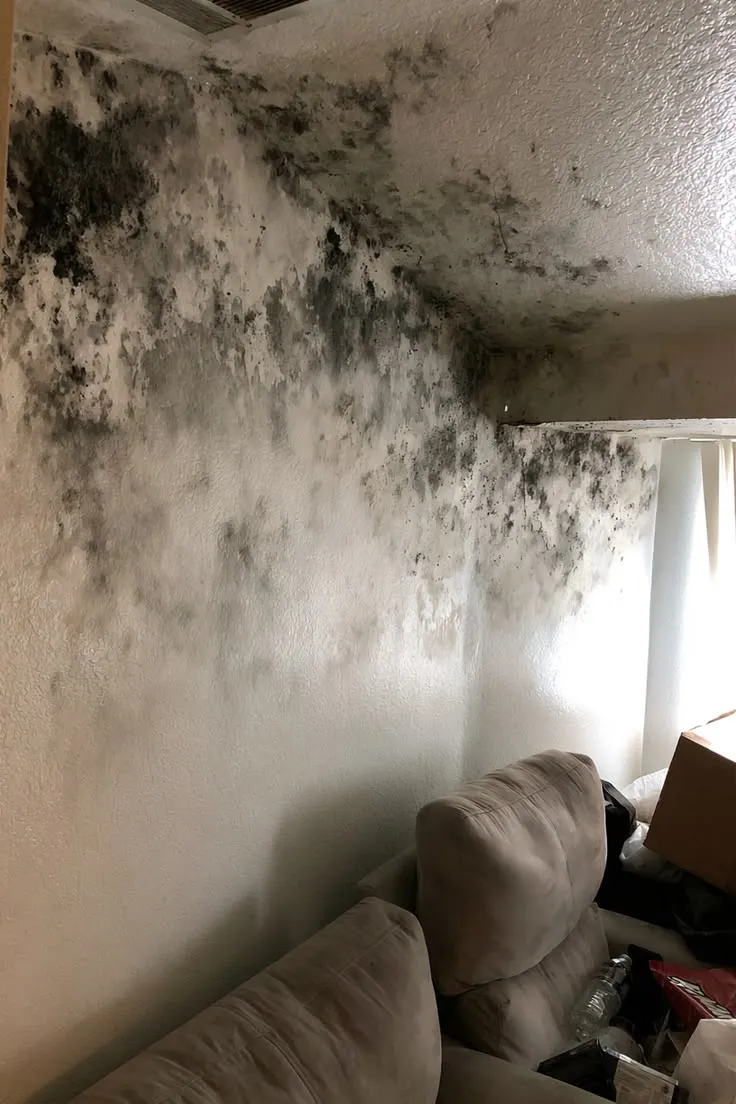
Moving out of a rental while a moisture or mold dispute is unresolved can make documentation harder because the tenant loses everyday access to the unit. Furniture is removed, repairs may begin, and memories of dates become less precise. Someone speaking with a mold property damage attorney may need to explain the condition of the property, what belongings were affected, and which expenses were connected to the move. Organizing records before returning the keys can preserve information without assuming that any particular loss is automatically recoverable.
Photograph the Unit Before Furniture Leaves
Take clear photographs of affected areas while the room is still arranged normally, then additional images after belongings are removed if appropriate.
Wider photographs show location and context, while close-ups show visible staining, water damage, or growth. Keep original files rather than relying only on compressed images sent through messaging apps.
Create a Property Inventory
List belongings that were damaged, cleaned, discarded, or placed in storage. Include brand, approximate age, purchase information, and condition where reasonably known.
Receipts, order histories, bank records, or older photographs may help support ownership. Avoid inflating replacement values simply because original receipts are missing.
Keep Moving Costs Separate
Moving expenses can include trucks, boxes, temporary storage, cleaning, or replacement necessities. Keep these records in a separate category from damaged-property estimates.
Clear categories make it easier to explain which expense relates to which event.
Save the Lease and All Notices
Download copies of the lease, addenda, maintenance portal messages, emails, inspection notices, and other relevant communications before accounts or portals are closed.
A mold attorney california reviewing a specific dispute may need the full sequence of notice and response, not only photographs taken near move-out.
Document the Key Dates
Create a concise timeline that includes the first report, significant repairs, inspections, recurrence, move-out decision, notice to terminate if applicable, and the date possession was returned.
Do not guess. If a date is uncertain, note that rather than creating false precision.
Understand That Moving Out Does Not Answer Liability
Leaving the property may be necessary for personal reasons, but the act of moving does not by itself prove the landlord was legally responsible for the condition or that every related expense is recoverable.
Rights and obligations can depend on the lease, California law, notice, property condition, and other facts. Individual legal advice may be necessary before making decisions about rent, termination, or claims.
Preserve Inspection and Testing Reports
If environmental testing, code inspections, repair assessments, or contractor reports exist, save complete copies. Include attachments, photographs, and invoices when available.
Do not rely on a verbal summary of what someone said months earlier.
Keep Health Records Separate
If household members have medical concerns, those records should remain separate from property and moving documentation. Healthcare professionals evaluate symptoms; environmental or legal records serve different purposes.
Timing alone does not establish medical causation.
Record the Final Condition of Belongings
Some items may be cleaned or restored after the move. Keep invoices and, where useful, before-and-after photographs.
If an item is discarded, document it first where safe and practical. Do not keep visibly damaged property in living areas solely to preserve evidence if doing so creates a concern.
Save Communication About the Security Deposit
Move-out disputes may involve issues unrelated to mold. Keep the final accounting, deposit correspondence, and photographs of the overall unit condition in a separate file.
This prevents different landlord-tenant issues from becoming mixed together unnecessarily.
Back Up the Records
Store copies in more than one place. A cloud folder plus a local copy can protect against losing a phone or computer during the move.
Use clear file names and dates so documents can be located later.
Conclusion
Moving out can quickly erase the physical context of a rental dispute. Tenants can preserve a clearer record by photographing the unit, inventorying affected belongings, separating expenses, saving the lease and notices, and building an accurate timeline before access ends.
These records do not establish liability or guarantee compensation. They simply preserve information that may later be relevant to property owners, insurers, code agencies, healthcare professionals, or attorneys. Organizing them before the apartment is empty reduces the need to reconstruct important details months later when the physical condition and available evidence may already have changed.