
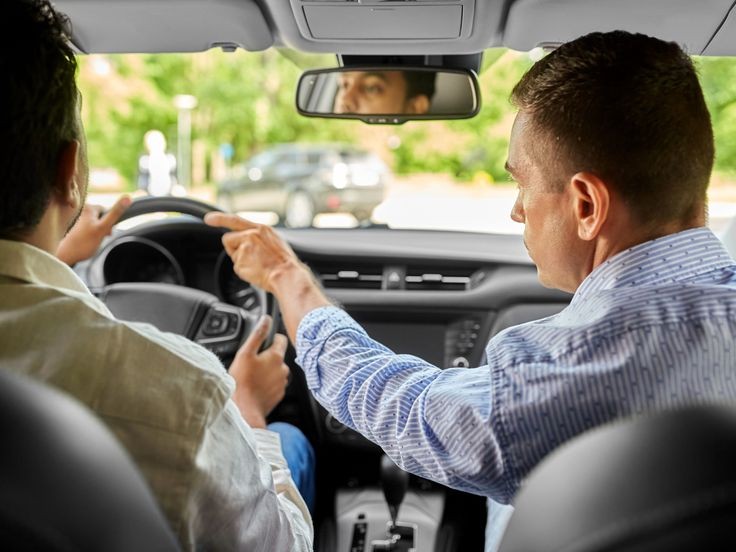

Watching someone drive can make the whole thing look fairly simple. The driver turns the wheel, checks a mirror, presses a pedal, and carries on talking. Then a beginner takes the driver’s seat and discovers that those small actions have to happen while watching traffic, reading signs, judging space, and deciding what to do next.
That first-hand experience changes the way many learners think about driving. Someone taking drivers ed sugar land may understand the rules before getting behind the wheel, yet practical lessons reveal details that are difficult to appreciate from study alone.
The Pedals Take Some Getting Used To
Beginners are sometimes surprised by how little movement is needed on the accelerator or brake. Press too firmly and the car responds more quickly than expected.
Early lessons often involve getting a feel for those reactions. A stop that is slightly abrupt on the first attempt may become noticeably smoother after several tries.
There is no clever shortcut here. The learner simply needs enough experience to understand how the particular vehicle responds.
Looking Ahead Can Feel Unnatural at First
A new driver often wants to look immediately in front of the car. It makes sense: that is where the vehicle is going.
The trouble is that useful information may be much farther ahead.
Traffic could already be slowing near the next signal. A pedestrian may be approaching the road. An upcoming intersection might require the learner to change position.
Learning to lift the eyes and take in more of the road can make driving feel less reactive. Situations stop appearing quite so suddenly.
Mirrors Are Easy to Remember Until Something Else Happens
A learner may remember every mirror check on a quiet street. Add a complicated turn or several nearby vehicles, and that habit can disappear for a moment.
This is one reason practical experience matters. It shows which habits remain reliable when attention is divided.
During driving lessons sugar land, learners can work on making observation part of normal driving rather than something they remember only when specifically prompted.
Eventually, checking what is happening around the vehicle should feel connected to the decision being made.
Other Drivers Won’t Always Behave as Expected
Course examples tend to be tidy. Real traffic is not.
A driver may signal late. Someone may take longer than expected to move. Another vehicle might change speed suddenly. Beginners quickly learn that knowing the rules does not mean they can predict every person around them.
The answer is not to assume everybody will make a mistake. It is to leave enough time and space to respond when something unexpected does happen.
That lesson becomes much clearer on the road than it does on a page.
Parking Usually Looks Easier From Outside the Car
Many learners have watched a parent or friend park thousands of times without thinking about it. From the driver’s seat, judging where the vehicle sits within a space can feel completely different.
The first attempt may be crooked. The second may end too close to one side.
That is exactly what practice is for.
Instead of becoming frustrated, it helps to look at what happened. Was the starting position wrong? Did steering begin too early? Making one adjustment at a time is easier than trying to fix the whole maneuver at once.
A Missed Turn Is Just a Missed Turn
Beginners sometimes treat navigation mistakes as emergencies. They realize too late that they needed to turn and feel an urge to rescue the original route.
There is rarely any need.
Continue safely and find another way. Roads connect, routes change, and independent drivers miss turns occasionally too.
Learning this early can prevent rushed decisions later. Reaching the destination a few minutes later is generally less important than making a calm, sensible choice.
Progress Can Be Surprisingly Quiet
Not every improvement feels dramatic. Sometimes a learner only notices it when an instructor no longer gives a reminder that used to be necessary.
Perhaps braking has become smoother. Maybe an intersection that once felt intimidating now passes without much thought.
Those small changes matter because they show that attention is becoming available for more complicated parts of driving. What once required deliberate effort is slowly becoming familiar.
Conclusion
The first few lessons tend to reveal things no textbook can fully demonstrate: how a pedal feels, how quickly traffic changes, and how different parking looks from the driver’s seat. Some attempts will be untidy, and a few decisions may need correcting. That is part of gaining experience rather than evidence of failure. Learners who want to explore practical instruction alongside driver education can find details about available programs and related services through myfirstdrive.net.